
Avoid Fast Food – During daily visits to fast food outlets, the stomach is chronically “overfilled”, which leads to increased appetite, more food intake and obesity.
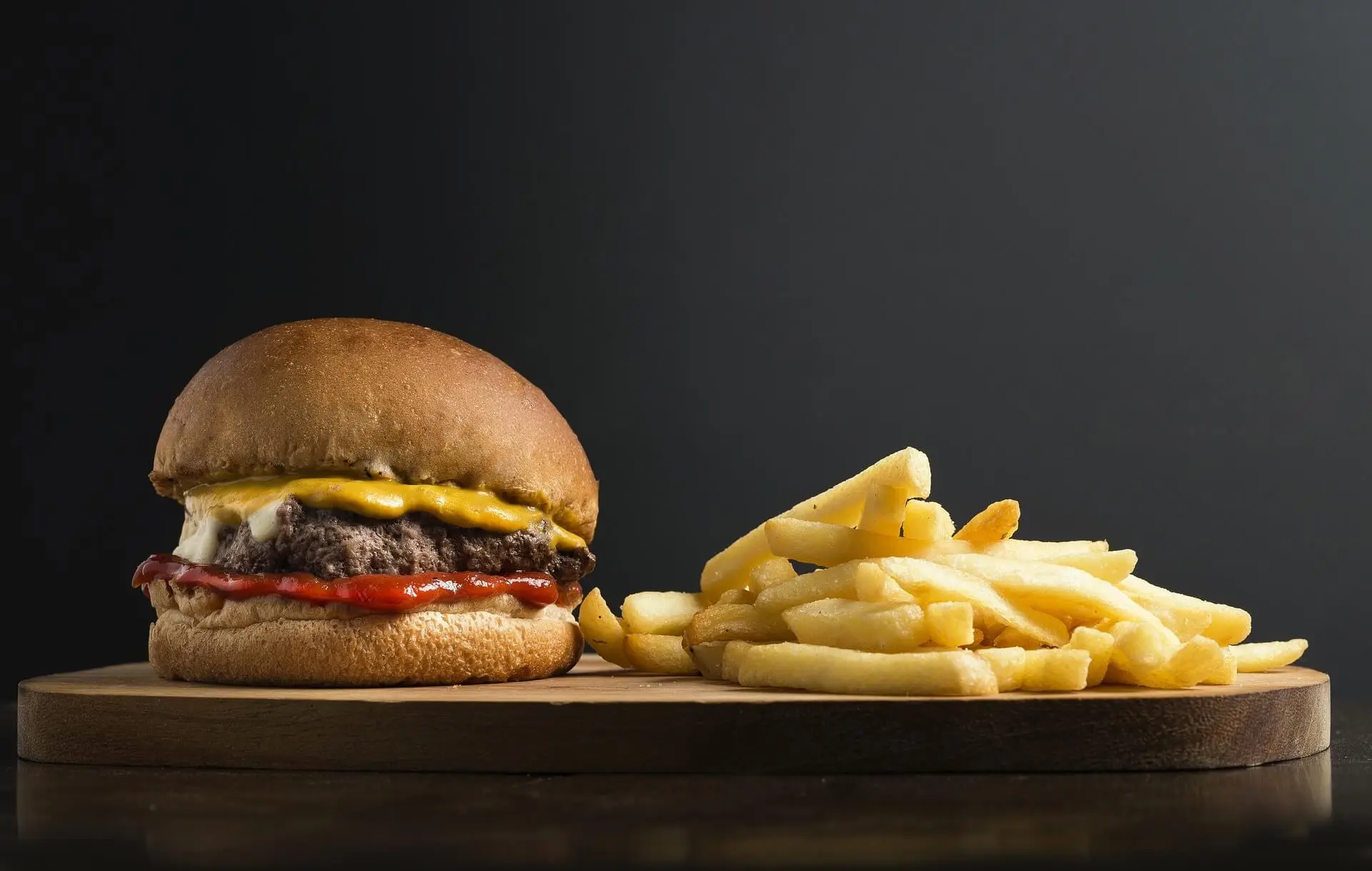
Fast food, stomach and kidneys
It is no secret that most fast food dishes contain a variety of toxic elements, chemical preservatives and large amounts of sodium (including table salt). These components increase the risk of stomach bloating, excess gas accumulation, stomach ulcers, and frequent intake of gastric cancer.
Consumption of large amounts of sodium intensifies thirst, excessive intake of water makes the stomach swell, accumulates gas, causes discomfort in the stomach. Sodium loading is not desirable for the kidneys, especially if the person does not have this healthy organ. Not to mention the commonly accepted fact that excess sodium is the cause of high blood pressure, worsening of a patient with heart failure, and decreased effectiveness of treatment for these conditions.
Fast food is the cause of constipation
You probably well remember that in order to maintain the natural motor activity of the intestines or peristalsis, it is necessary for a person to consume a certain amount of dietary fiber daily, which is rich in fruits, vegetables (except potatoes), grains, raw wheat, nuts. Fiber-rich foods help maintain intestinal health and eliminate the processed products stored there – the normal functioning of the intestines.
When we often choose fast food outlets and foods that contain a minimal amount of fiber to satisfy the feeling of hunger, constipation or constipation develops. The reason is simple – less fiber in food means less bowel movement (peristalsis), less fluid uptake by intestinal masses, and the formation of dense masses that are difficult to move. All this is accompanied by bloating, gas accumulation, sometimes a feeling of pain.
Peptic ulcer
If a person chooses the object of fast food very often as a place to eat, the risk of ulcers also increases. With age, foods saturated with excess spices, alcohol, caffeinated beverages, among other factors, dramatically increase the incidence of ulcers. Recently, more and more people are writing about the connection between food and ulcers in fast food outlets.
Liver diseases
The liver is one of the major organs that is the target of the damaging effects of fast food. One might think that liver overload would go unnoticed by people because of the preservatives or fats in fast food dishes, but this is a misconception. Liver disease or any kind of liver damage can be accompanied by bloating, an uncomfortable feeling after eating. In advanced cases of liver disease, bleeding due to dilation of the esophageal veins is revealed.
Flatulence
Fast food intake is often accompanied by the accumulation of unusually large amounts of gas, annoying flatulence. This has many different reasons. Flatulence can be caused by fats and carbohydrates in food. It also helps to swallow air while eating fast. An important factor is the drink that a person takes in a fast food restaurant – sweet carbonated liquids, which increase flatulence due to the release of gas and the formation of gases during the digestion of carbohydrates in them.
Heartburn
Like flatulence, heartburn has many causes. First of all, it is the nature of the food received. Heartburn is known to be exacerbated by ketchup, foods made from solid fats, puff pastry, coffee, cola, carbonated beverages. In addition, heartburn is exacerbated by excessive fluid intake and stomach overload with food.